Why Self-Driving Car Accidents Statistics Can Be Misleading
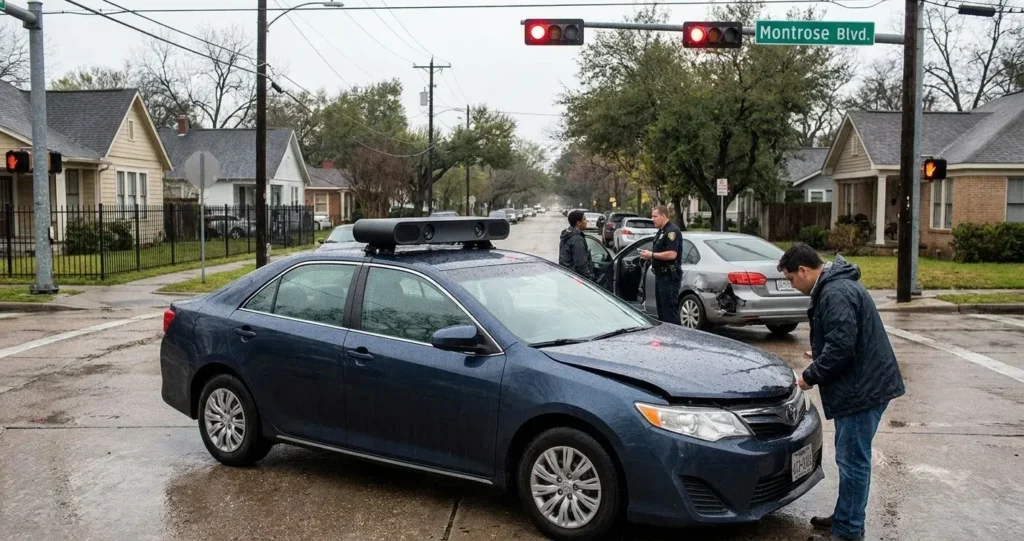
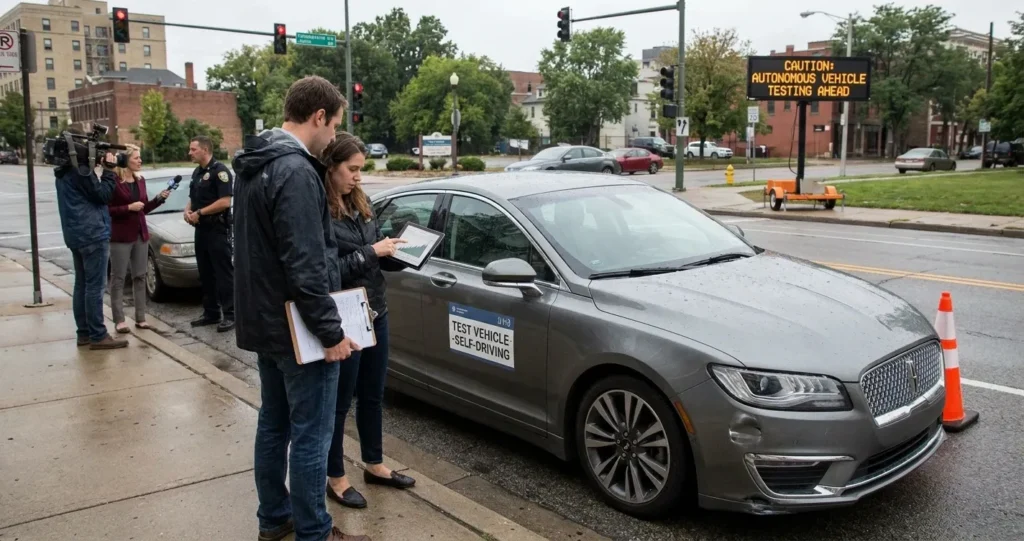
Learn what NHTSA's AV crash reports do—and don't—prove, how Texas AV rules change May 28, 2026, and who may be liable after a crash.
389 articles
Learn what NHTSA's AV crash reports do—and don't—prove, how Texas AV rules change May 28, 2026, and who may be liable after a crash.
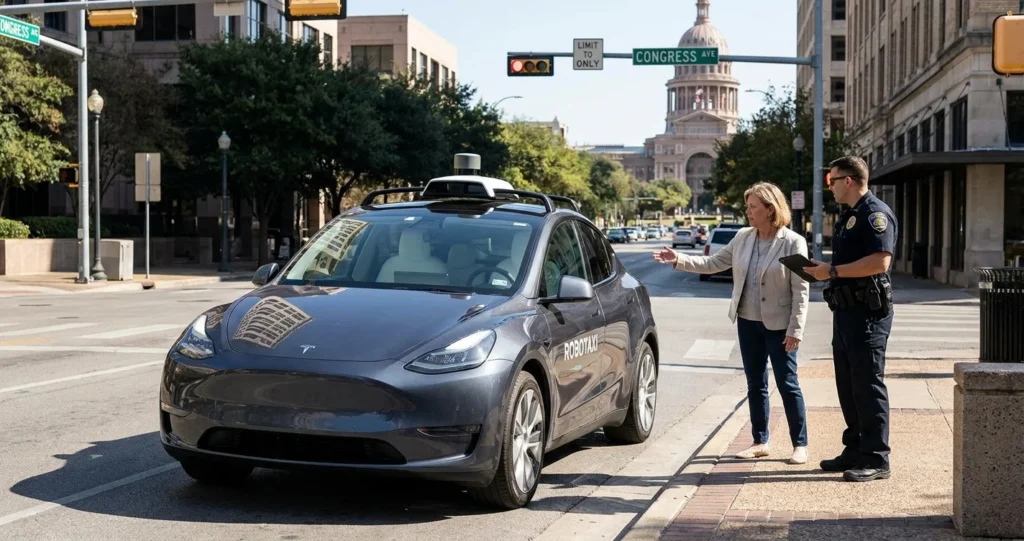
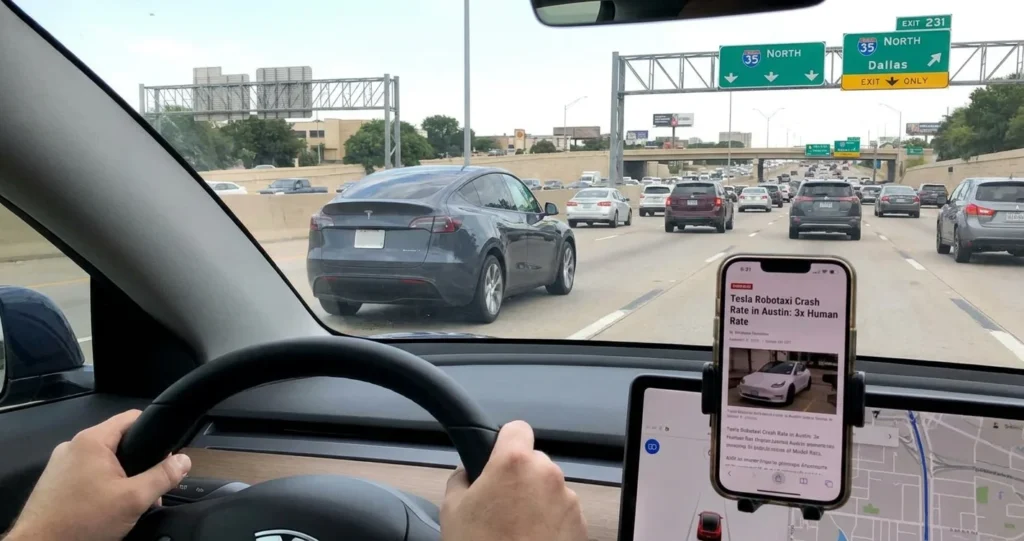
Learn about Tesla Robotaxi safety concerns in Austin, NHTSA scrutiny, and how Texas SB 2807 affects liability and insurance after a crash.
Compare Waymo vs human driver crash rates, understand data limits for robotaxi crashes, and learn Texas liability basics if you're in a self-driving car crash.
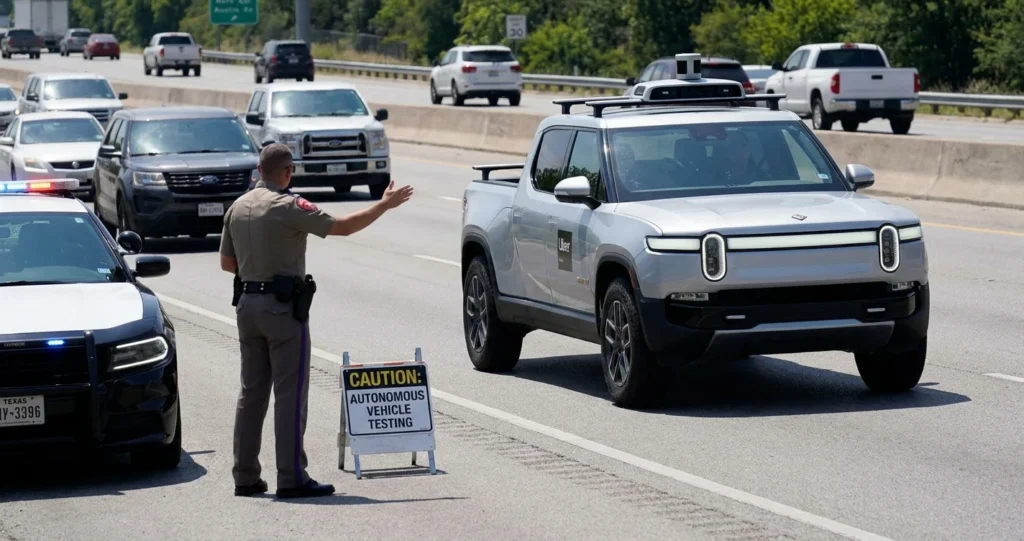
Uber and Rivian plan to deploy autonomous robotaxis in Texas. Learn who may be liable after a crash and how state law assigns fault across multiple companies.
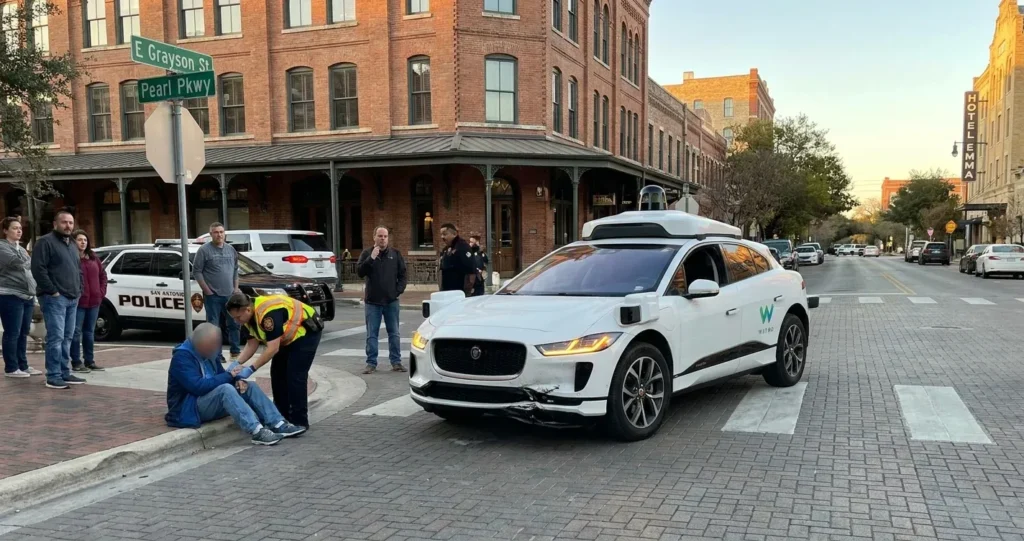
Learn about Waymo accident statistics, who is responsible after a crash and what your rights are if you are involved in a self-driving car accident.
Compare Tesla’s camera-only and Waymo’s sensor fusion systems through a Texas crash lens. Learn about black-box evidence, the 51% fault rule, and more.
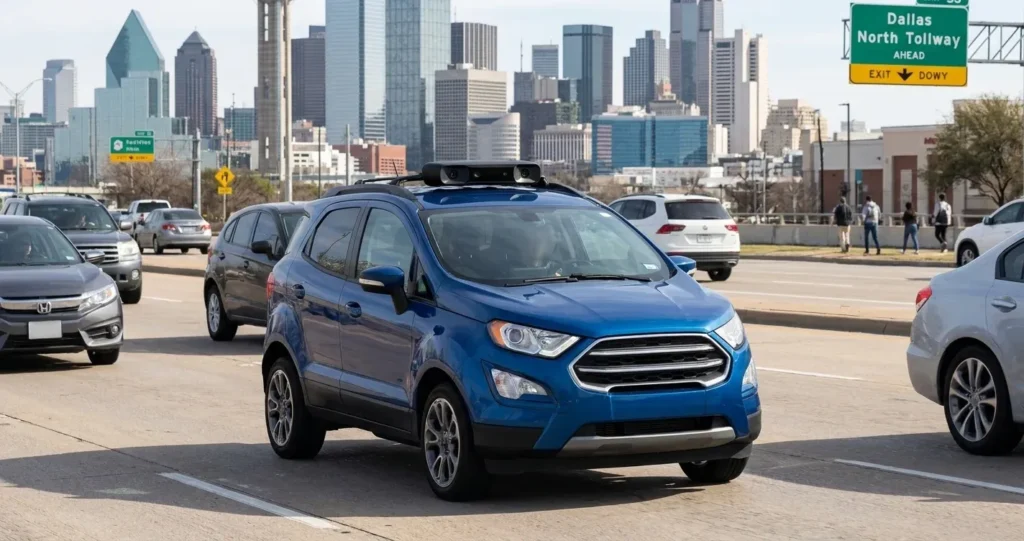
Waymo launched limited driverless rides in Dallas in February 2026. Learn how access works, where it operates, and what steps to take if you're in an incident.
January 2025 marked the first fatal crash involving a driverless car, but Waymo wasn't to blame. Learn the difference between "involved" and "caused" under Texas law.
Learn what Tesla robotaxi crash rate claims actually measure, how rates are calculated, and what Texas SB 2807 means for AV safety and liability.
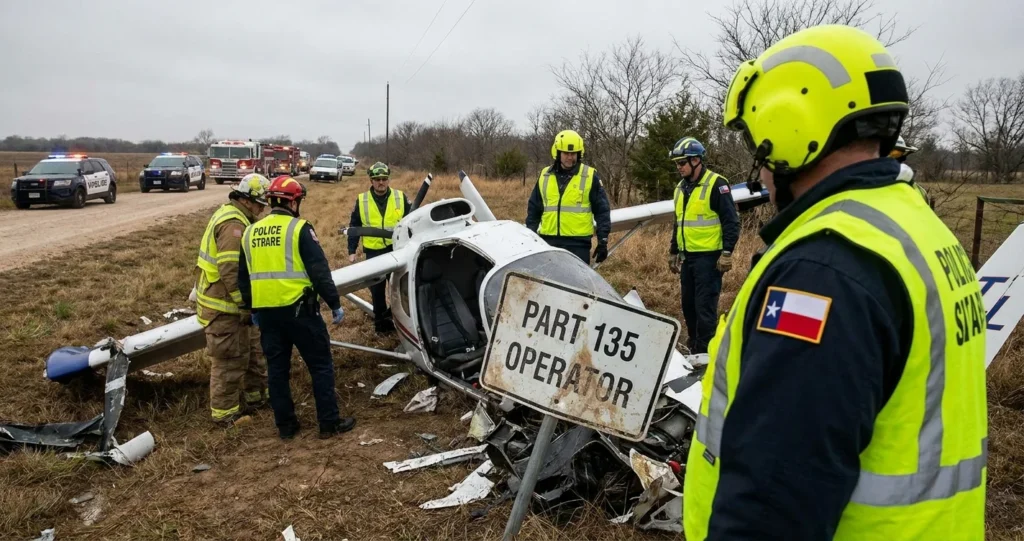
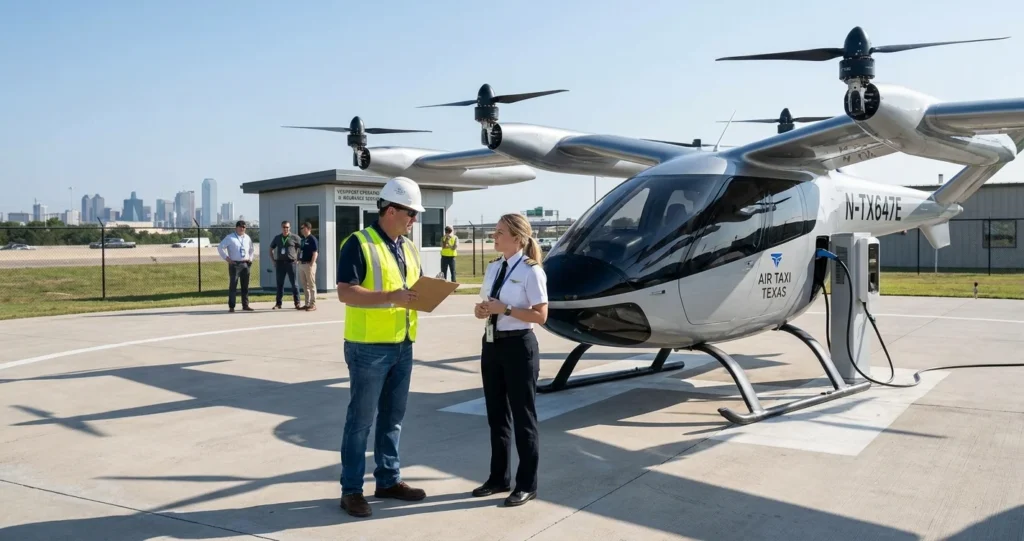
Learn who may be liable after a Texas air taxi (Part 135) crash, how fault is split under the 51% rule, and steps families can take to protect their rights.
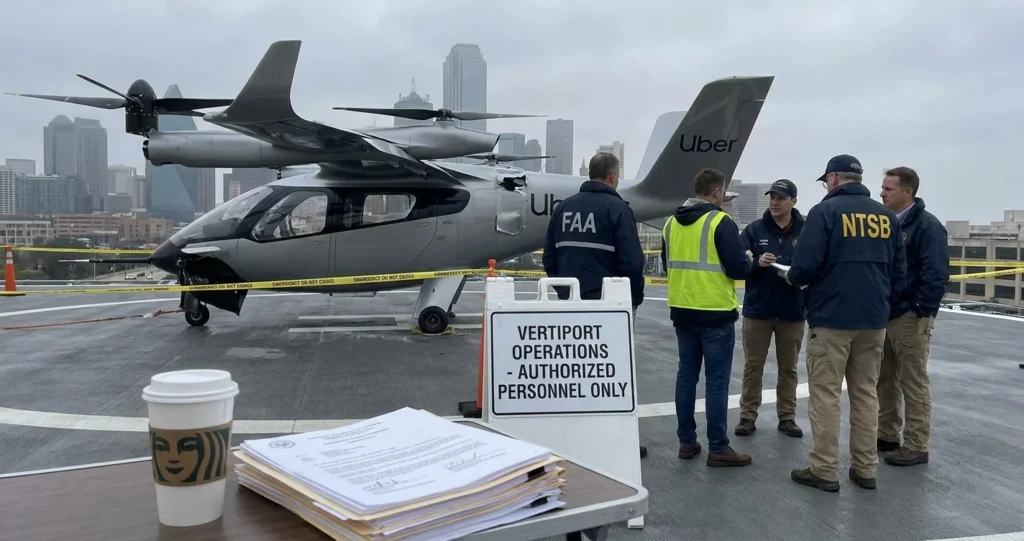
Learn who may be liable after an Uber-branded eVTOL air taxi crash in Texas, how FAA powered-lift rules affect claims, and key deadlines.
Learn how electric air taxi insurance works in Texas, which policies cover passengers, where coverage gaps commonly exist, and what steps protect your claim.