How Motorcycle Accidents Differ on Texas Highways vs. City Streets
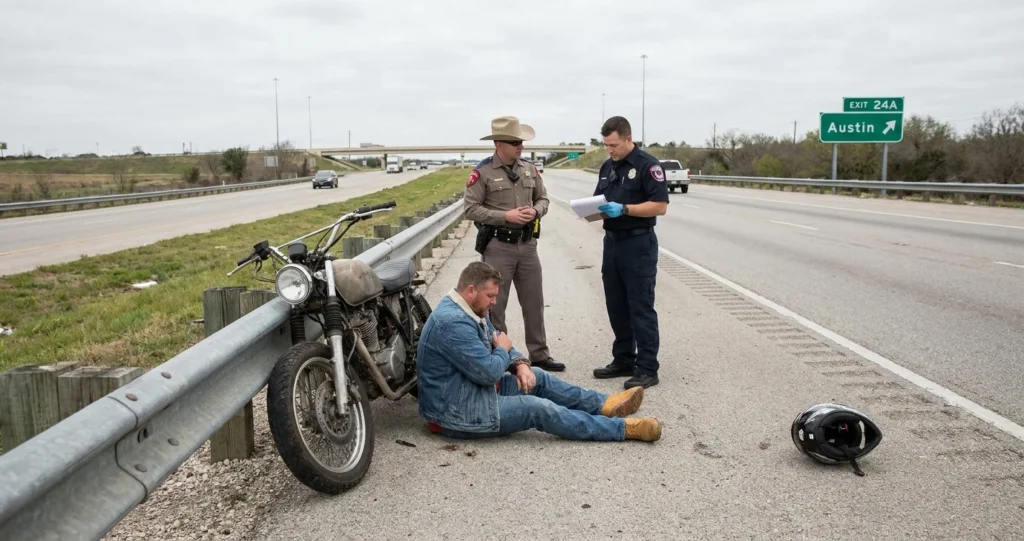
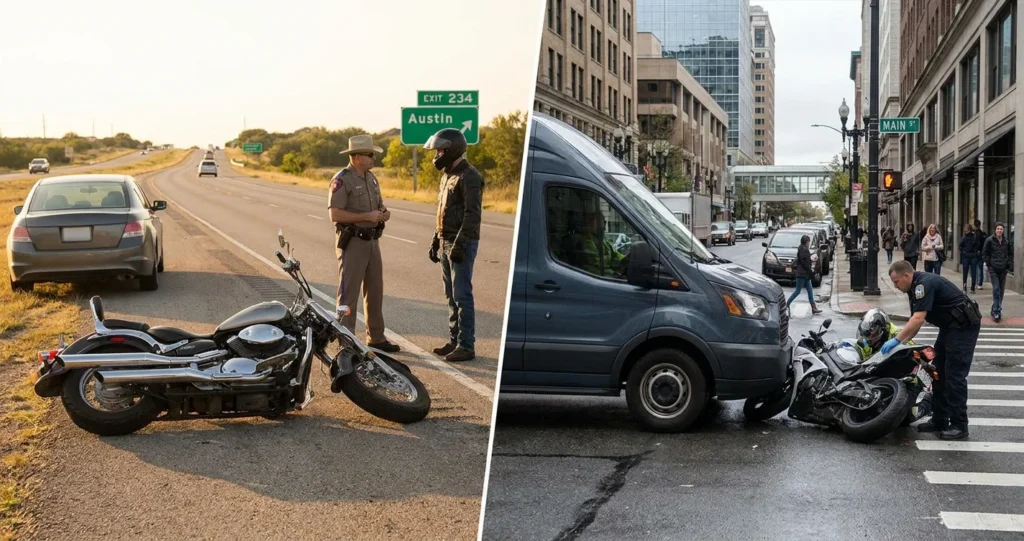
Learn How a Texas motorcycle accident on a highway differs from a city street crash, plus who is at fault, what evidence to save, and your filing deadline.
143 articles
Learn How a Texas motorcycle accident on a highway differs from a city street crash, plus who is at fault, what evidence to save, and your filing deadline.
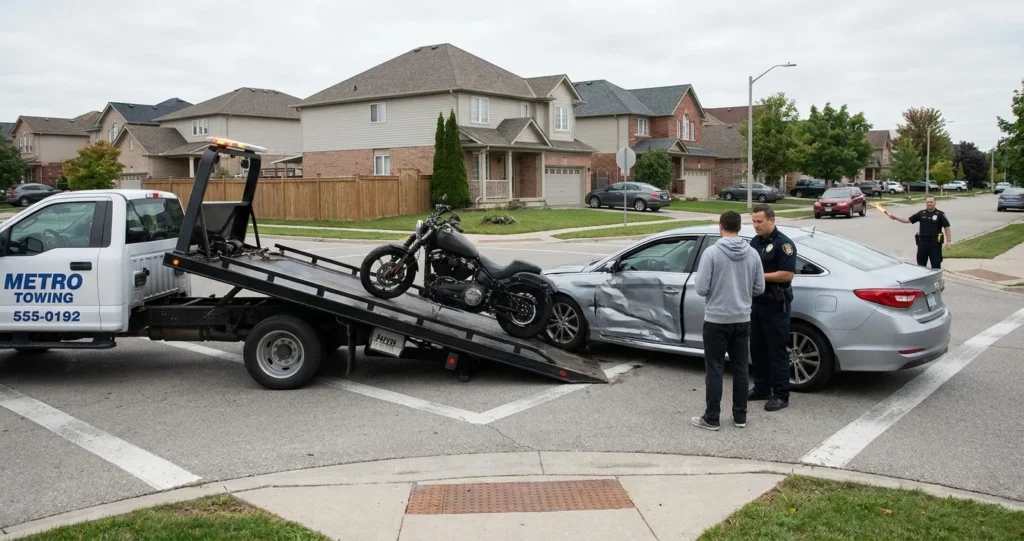
Learn who is at fault in a Texas intersection motorcycle accident, how the 51 percent rule works, what evidence proves fault, and your two-year deadline.
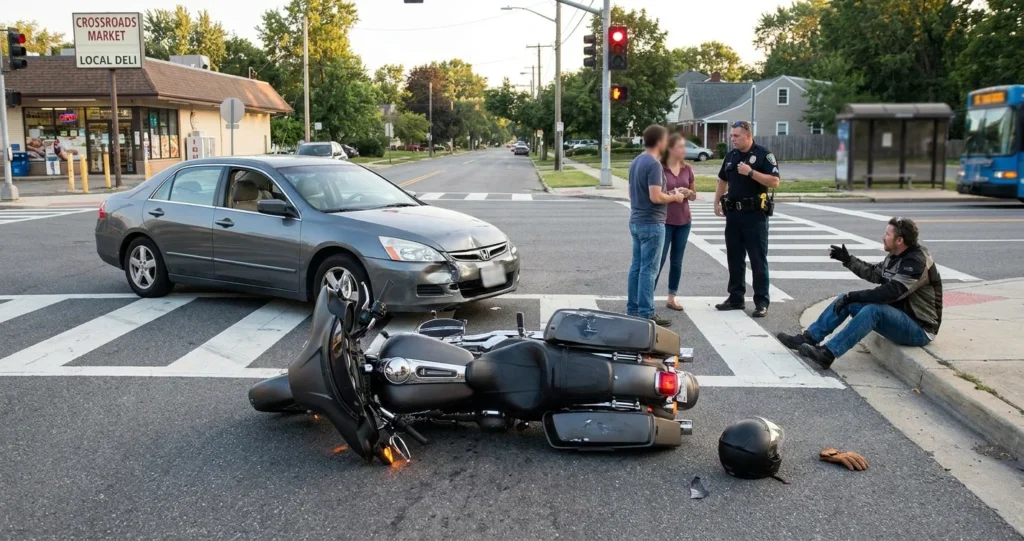
Where do most motorcycle accidents occur? TxDOT data points to intersections, then rural highways and city streets. See how location affects fault.
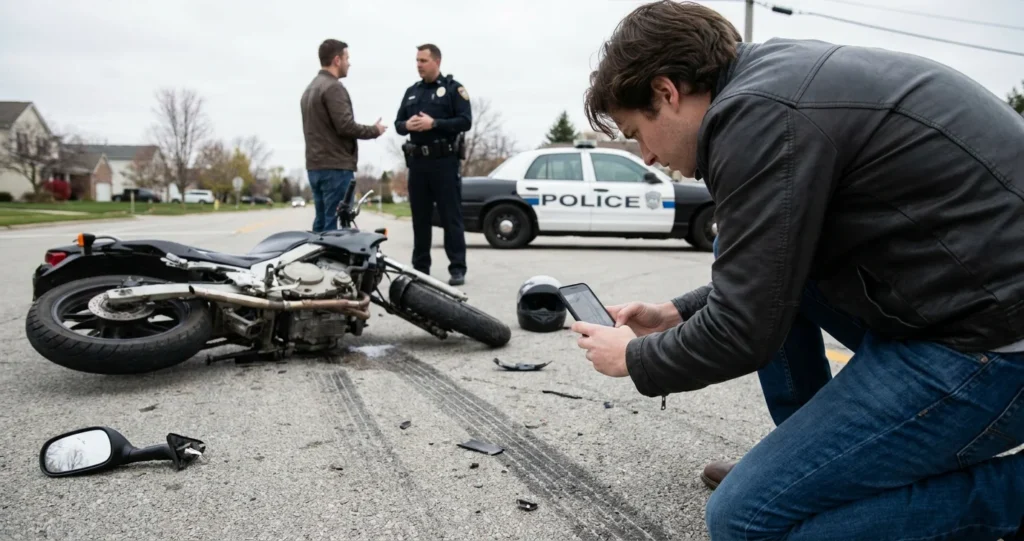
Learn what motorcycle accident evidence to gather, including what to photograph, request, and preserve to protect your injury claim.
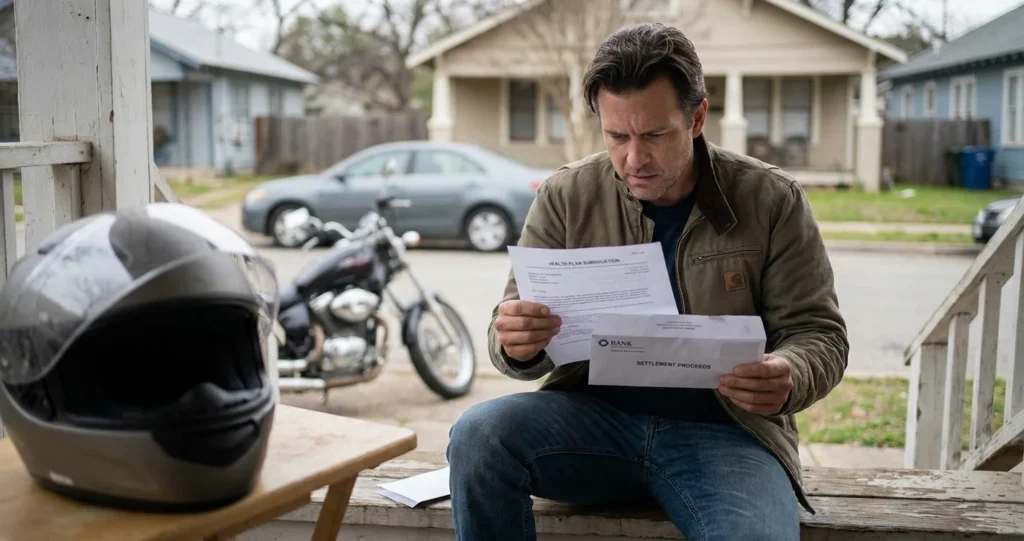
Learn how subrogation liens affect your Texas motorcycle settlement, how Chapter 140 caps recovery, and where you have room to negotiate.
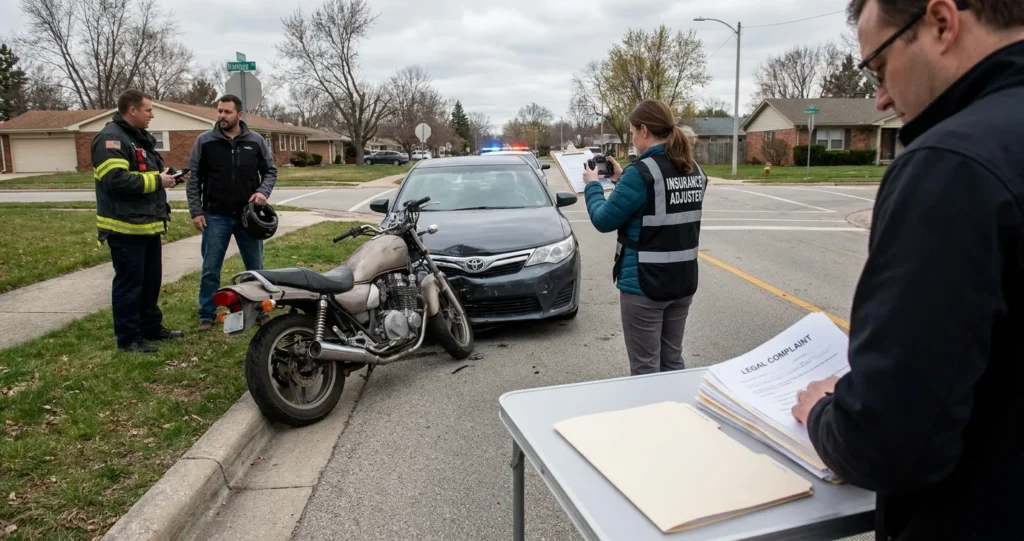
Learn the difference between a motorcycle accident insurance claim vs. lawsuit in Texas, including what triggers filing suit and how it changes insurer negotiations.
Not wearing a helmet doesn't bar your Texas motorcycle accident claim. Learn how comparative fault works, the over-21 exemption, and how to protect your recovery.
Texas law allows recovery for PTSD and emotional trauma after a motorcycle crash. Learn what documentation you need and how insurers challenge these claims.
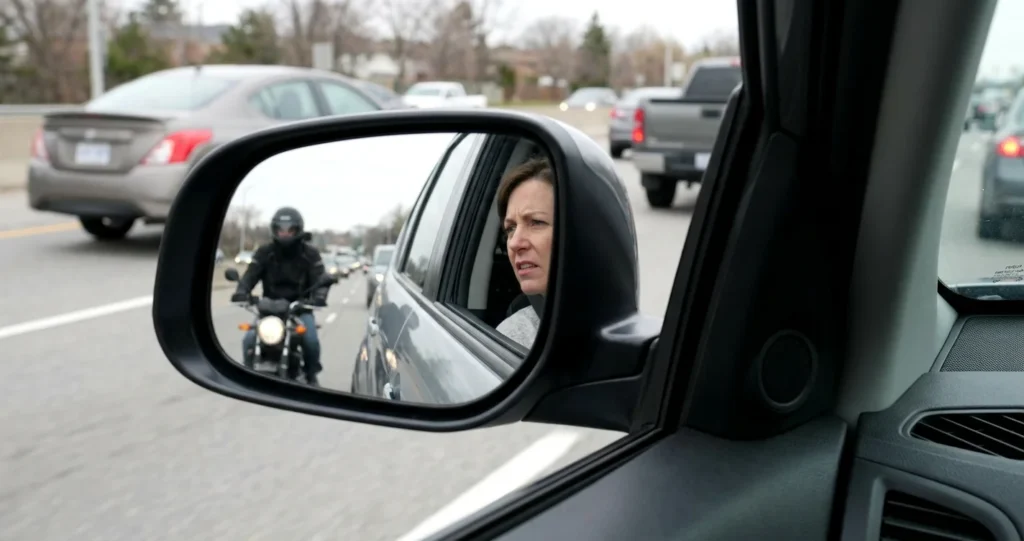
Drivers say "I never saw you" after motorcycle crashes. Learn why it happens, why it isn't a legal defense, and how Texas fault rules protect riders.
T-bone motorcycle accidents cause severe injuries and fault disputes. Learn how Texas decides liability and what compensation injured riders can recover.
Texas requires a Class M license or endorsement to ride. Learn the rules, permit limits, and how an unlicensed status can affect a crash claim.
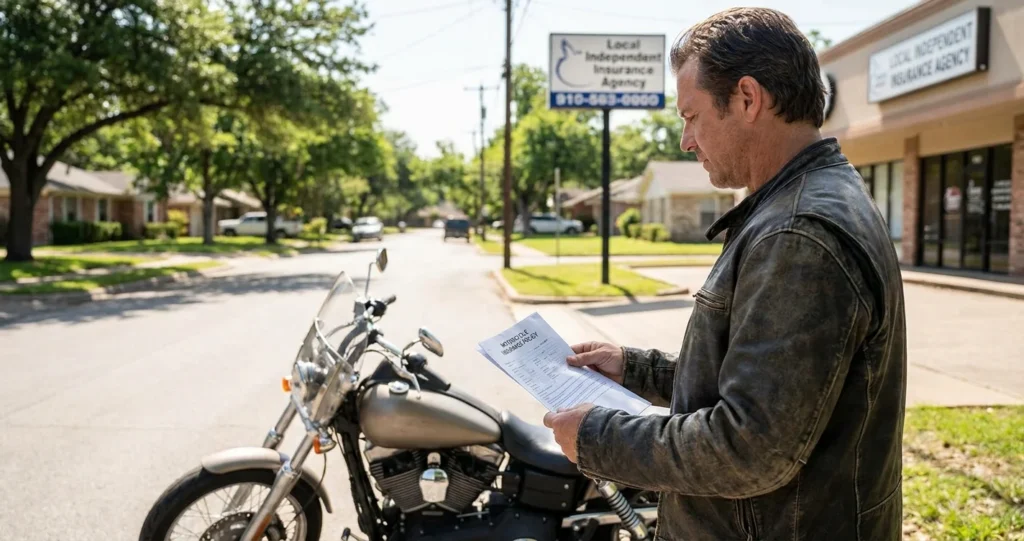
Texas requires 30/60/25 motorcycle insurance, but minimums rarely cover a serious crash. See which coverages protect you and your bike.